
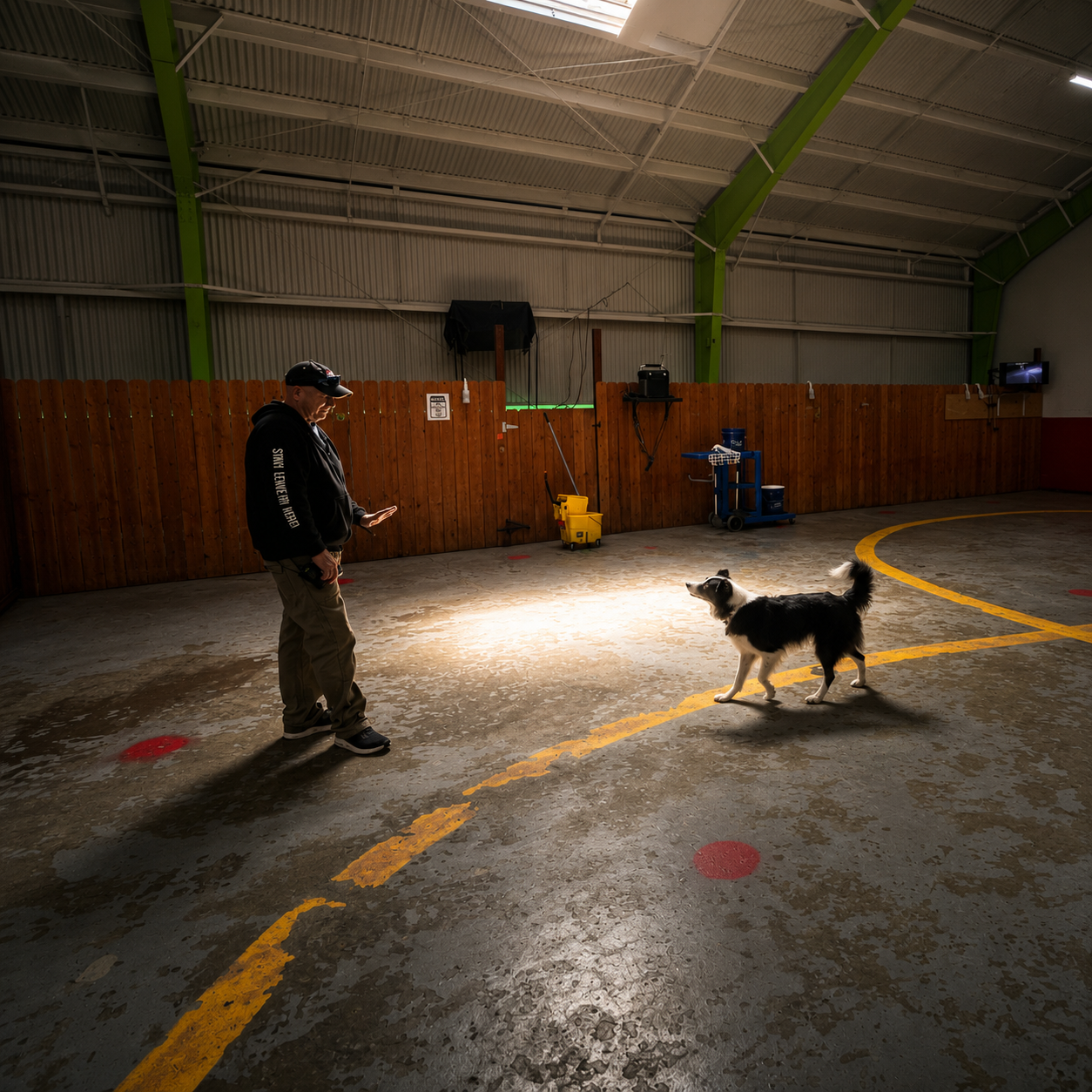
A Week Inside a Real Training Program,
What You Might Not Know
People always ask the same question.
What does a real week of training actually look like?
The answer is simple. Structure, repetition, hands-on coaching, and real-world practice. No guessing.
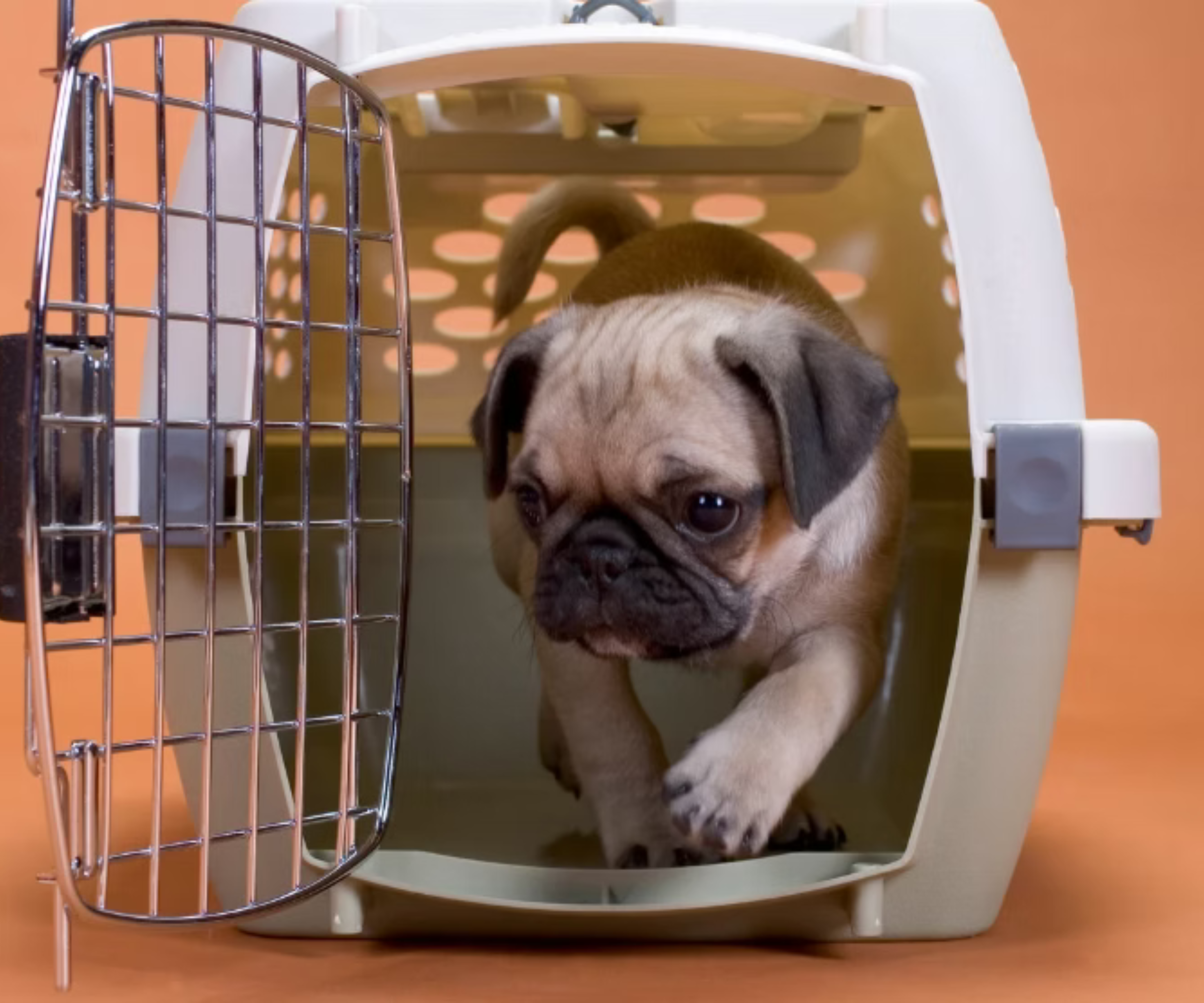
Crate Training Done Right: Why It Supports Your Dog’s Mental Health
Crate training might be the most unfairly accused practice in dog ownership. Somewhere along the line, the crate got labeled cruel, damaging, or emotionally scarring. Meanwhile, the same dogs are chewing drywall and having panic attacks when left alone. But sure, let’s blame the box.
Used correctly, crate training is one of the simplest and most effective ways to support a dog’s mental health, emotional regulation, and overall stability. The crate is not the problem. Human inconsistency is.

Who Is Dan Perata? A Life Shaped by Dogs, Discipline, and Compassion
Dan Perata is not a dog trainer who followed a traditional path. His work and his philosophy were forged through necessity, experience, and decades of quiet mastery rather than trends or titles.
A third-generation San Francisco native, Dan grew up between San Francisco and Santa Rosa in a family with limited means. As a young man, he learned to train dogs not as a hobby, but as a way to survive.

Frequently Asked Questions (FAQs)
Let DPT Answer Your Questions We’ve gathered the most common questions we hear before, during, and after training — all in one place. From what to expect on Day 1…
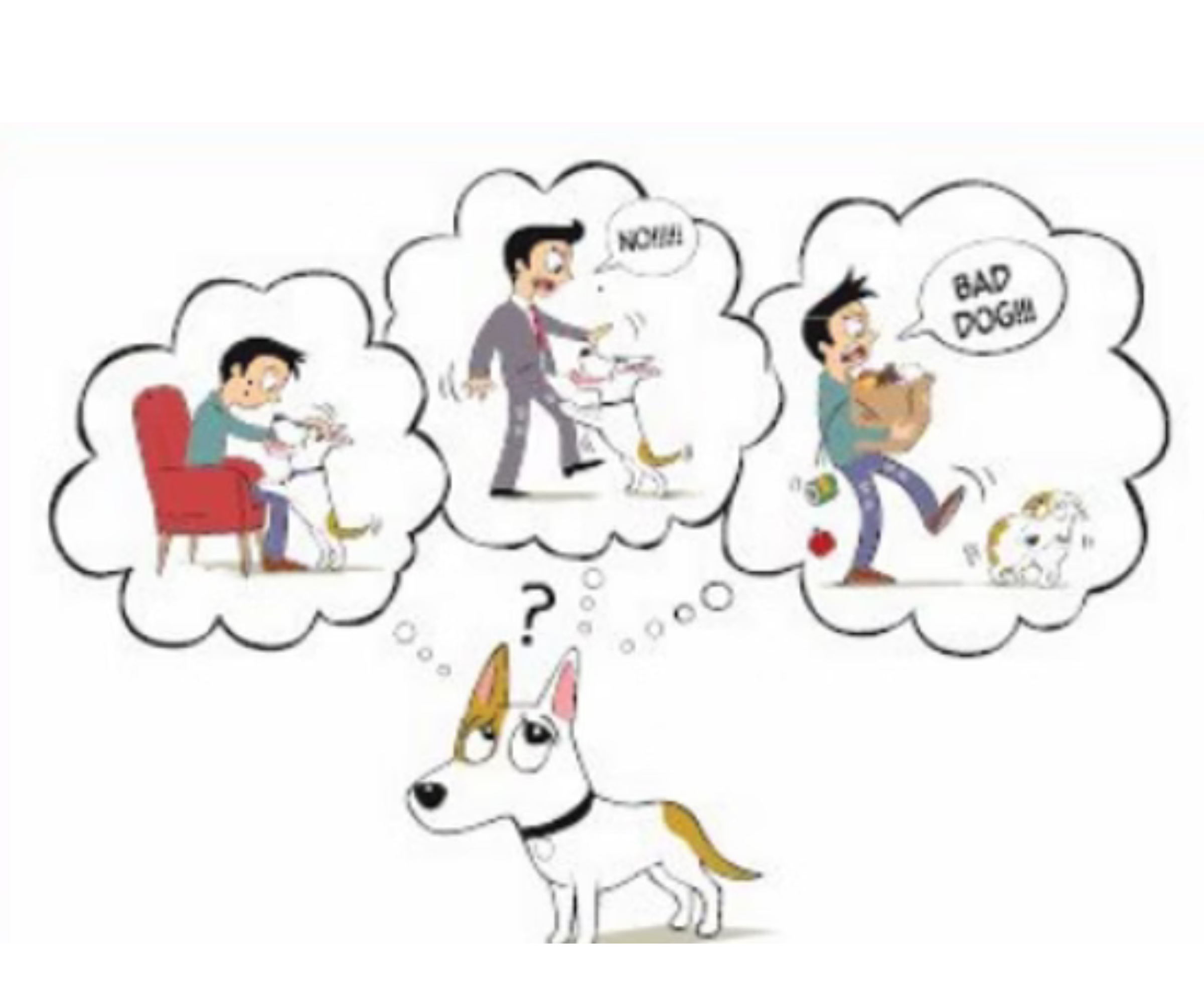
Communication
How do you communicate with your dog? Do you rely upon treats to elicit certain actions? Do you have long verbal conversations? Does your dog ever talk back to you? Most likely not. I like to joke and tell people there’s a reason dogs are called man’s best friend--

Welcome to Dan Perata's Training Blog
Good day, my name is Dan Perata, and the plan here is to communicate useful content as often as possible, covering all areas of training and dog ownership. We will be discussing canine energy, separation anxiety, variations of aggression, introducing new pets to kids, and new kids to pets. Communication, crate training, housebreaking, leash reaction, and an expansive and ever developing multitude of other topics!