About Dan Perata
CO-FOUNDER, CEO of Dan Perata Training
Over 35 years of successful dog training experience
“If you treat your dog like a human, it will treat you like a dog. If you treat it like a dog, it will treat you like a human.”

DAN PERATA
CO-FOUNDER, PRINCIPAL DOG TRAINER
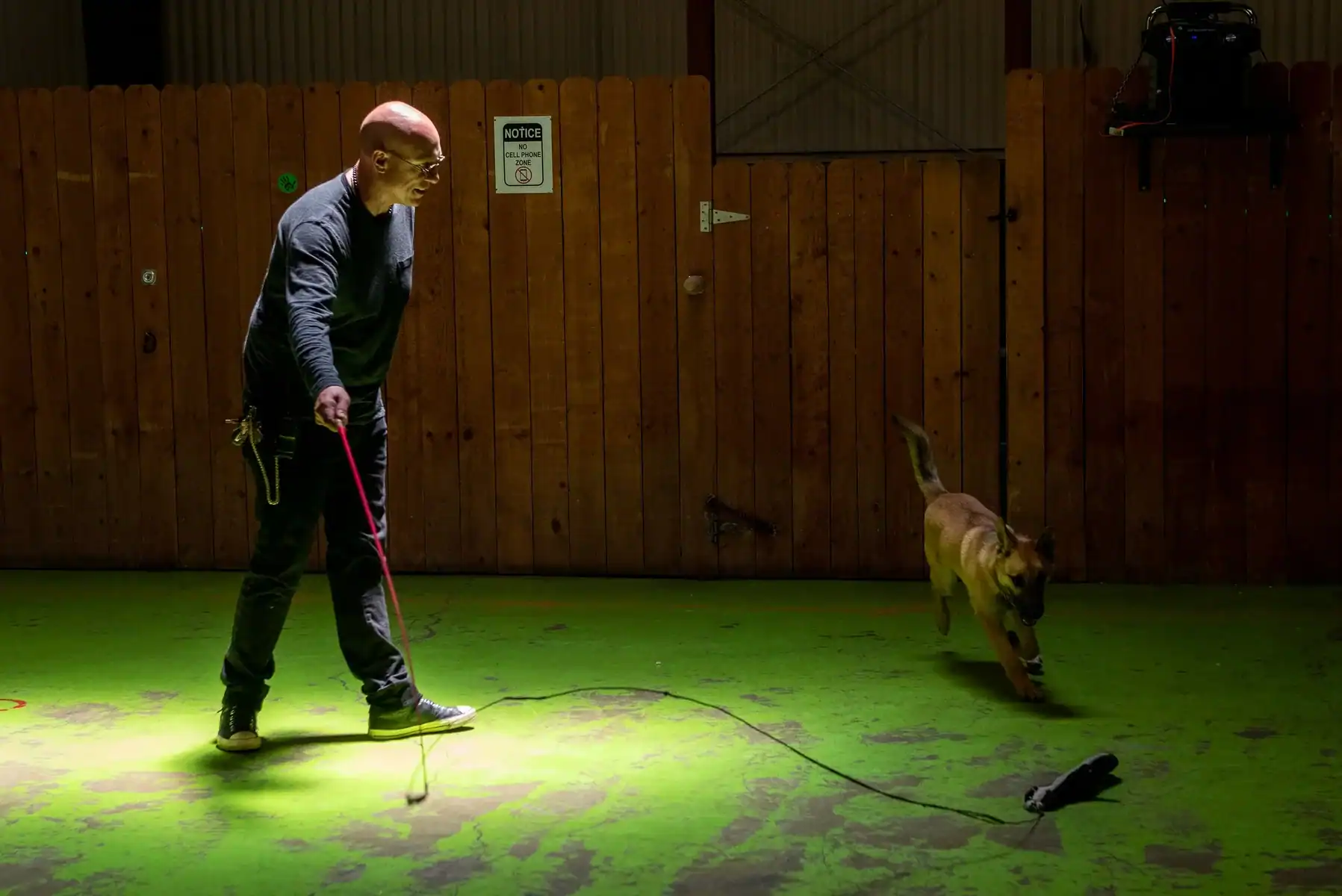
Dan Perata is a San Francisco original; someone who has always bucked the traditional conventional wisdom. A third-generation native of the city, Dan has always had a natural rapport with all animals, dogs in particular. He’s been working with them since he was a teen! He’s been honing and perfecting his methods ever since, sometimes in the most fascinating of places.
Dan began working with and observing dogs as a boy around his grandfather’s hunting dogs. He had no interest in training the dogs using shock collars and food bribes. He decided to use love, praise and compassion as the reward and found it to be a more effective alternative. The wisdom of that philosophy was confirmed when Dan was a clown for Ringling Brothers Circus – True story! He observed and became close with the legendary animal Trainer Gunther Gebel. Gebel trained lions, leopards, elephants and a myriad of animals in extremely dangerous environments, armed with nothing but his love of the animals, knowledge and confidence. Gebel based his training style on mutual respect for the animals. He completely revolutionized animal training across the globe. Brute force and fear-based training was replaced by learned commands and mutual respect. Gunther’s influence and the combination of personal experience developed the philosophy that Dan embodies and is part of the guiding principal at DPT.
Dan is known for his outspokenness, humor and straight-shooting manner–a manner that the dogs love (but you are not required to), because he radiates the energy of consistency and resoluteness that dogs naturally respond to. He’s also an avid outdoorsman whose love of animals knows no bounds. When you work with Dan, you’re working with an original thinker with the courage to break with worn out training paradigms to create a style of dog training that is infinitely more compassionate, forward thinking and effective. (And fun!)
DAN PERATA'S TRAINING PHILOSOPHY
The Dan Perata method of training is founded upon positive reinforcement and deploys the simplest and most effective tools for training dogs: love and praise. We want a dog that listens to you for two reasons: 1. You’ve asked it to, and 2. Your dog respects and trusts you enough to be its decision maker.
It’s not the biscuit in the hand, it’s the hand that holds the biscuit.
We work towards the goal of a balanced, calm and confident companion in all situations. We do this by alleviating your dog of the burden of making decisions. Dogs and kids are notoriously bad decision makers, and they count on us to this for them! Both to keep them safe and to keep you sane. At DPT, we teach you how!
Why is it important for your dog to be confident?
1
A confident dog can be left home alone without worry; a dog lacking in confidence can exhibit separation anxiety and end up eating the belongings in your home. We’re not being dramatic when we say that we helped a dog that literally ate through walls. That gives the old phrase “eating us out of house and home” a new meaning.
2
3
The Perata Method
Energy-based dog training in San Francisco
After 35 years of honing his training methods, Dan describes his training philosophy as energy management. This means teaching you to guide your dog by using your confidence and leadership rather than aggression or any other reward than your praise and affection. Dogs are animals that either lead or follow and they’re counting on you to be a good leader. One of DPT’s favorite maxims is, “If you treat your dog like a human, it will treat you like a dog. If you treat your dog like a dog, it will treat you like a human.” It is crucial to respect your dog’s nature by nurturing it in the right way.
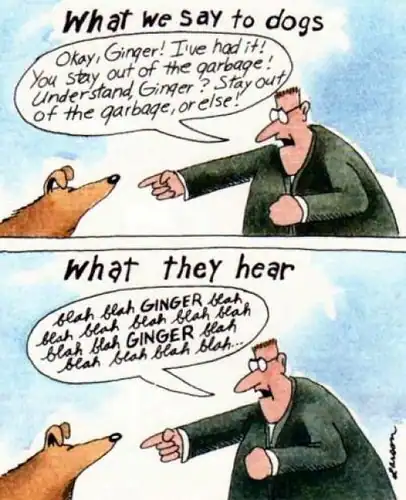
Dan teaches you and anyone in your family group how to communicate consistently and effectively with your dog through energy (body language and positioning), using verbal, non-verbal and non-punitive commands to maintain control of your dog’s behavior. This method, practiced over the long term, creates mutual trust and respect.